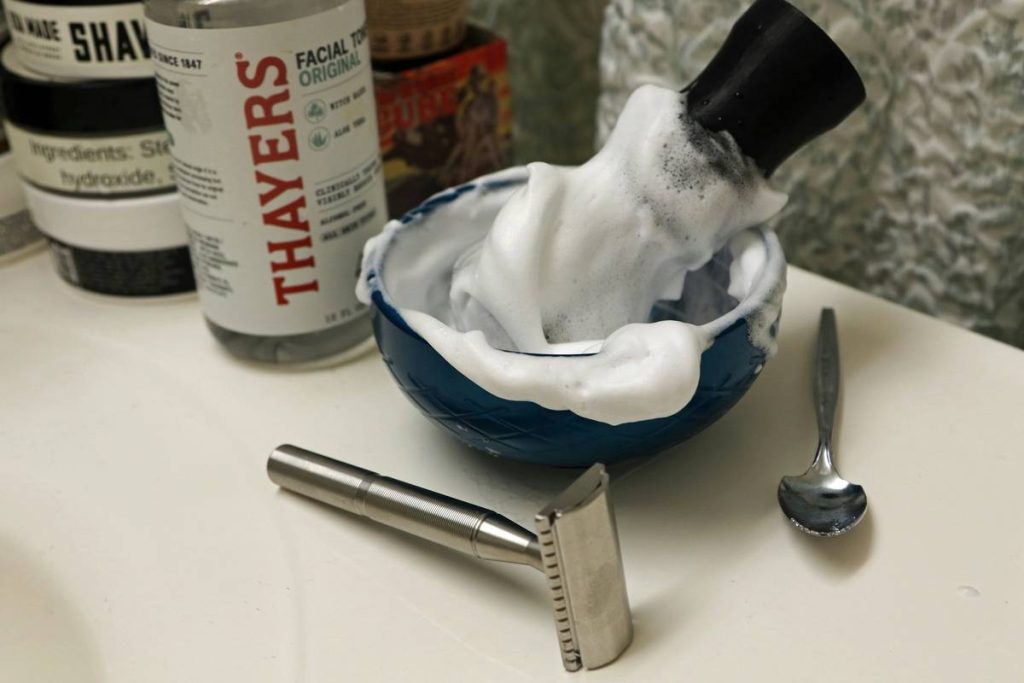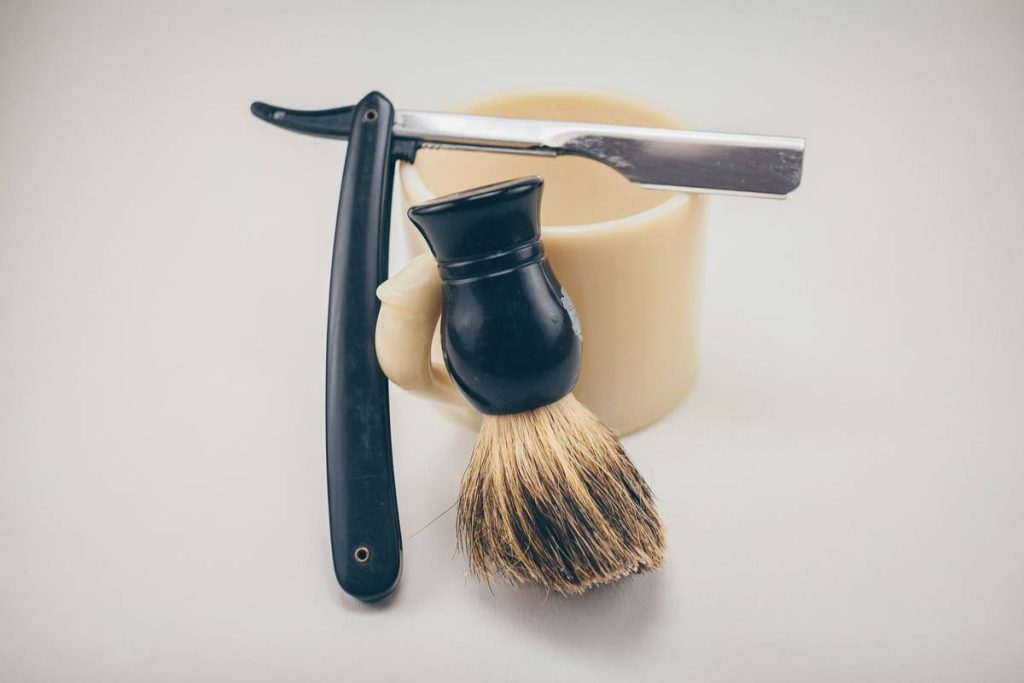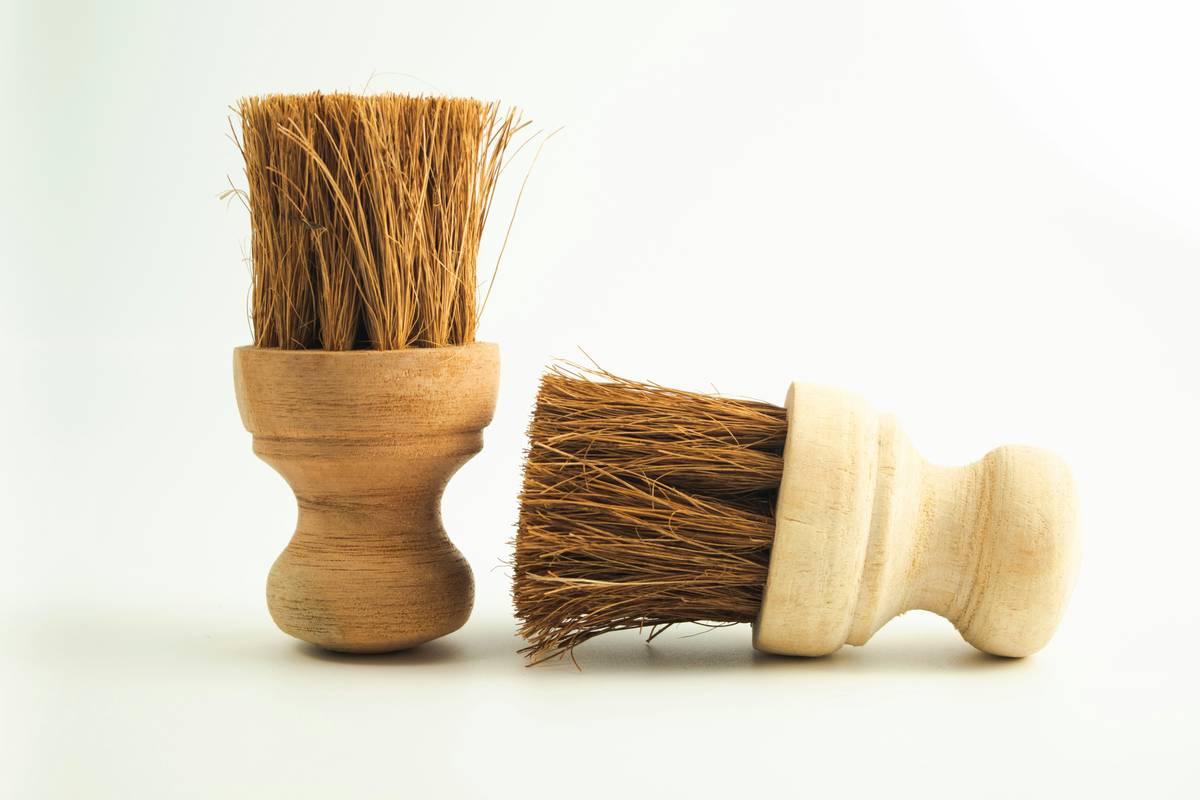
Ever picked up a shaving brush only to feel splinters dig into your palm—then watched the handle warp after three wet shaves? I did. Last winter, I bought a “vintage-inspired” shaving brush with a birch handle from a trendy online brand—no care instructions, no grain sealant. By week four, the wood swelled, cracked near the knot base, and left faint amber streaks in my lather. That mistake cost me $42 and two ruined mornings—plus a harsh lesson: not all shaving brushes with wooden handles earn their keep. If you’re serious about precision, longevity, and skincare-grade gentleness (yes—your face counts), wooden-handled brushes aren’t nostalgic flair. They’re functional upgrades backed by material science, ethical sourcing standards, and decades of wet-shaving craftsmanship.
Table of Contents
- Why Shaving Brushes with Wooden Handles Matter Beyond Aesthetics
- How to Choose & Use Your Wooden-Handled Brush: A Step-by-Step Guide
- 5 Essential Care Tips You Won’t Find on Amazon Listing Pages
- Real-World Results: From Patchy Lather to Cloud-Like Consistency
- Frequently Asked Questions About Wooden-Handled Shaving Brushes
Why Shaving Brushes with Wooden Handles Matter Beyond Aesthetics
In beauty and skincare, tools shape outcomes as much as ingredients do. A poorly designed brush spreads irritation—not lather. According to the U.S. Food and Drug Administration’s cosmetic tools guidance, porous or improperly sealed handles can harbor bacteria, mold spores, and residual soap films that destabilize skin pH over time. That’s why shaving brushes with wooden handles demand intentional engineering: stable hardwoods (like olive, cherry, or sustainably harvested beech), food-grade mineral oil finishes, and tight-grain milling that resists water intrusion. Unlike plastic or resin alternatives, quality wood breathes without swelling—maintaining structural integrity through daily steam, splash, and rinse cycles. It also adds ergonomic weight that improves control during facial contouring, reducing drag-induced micro-tears in sensitive beard areas.
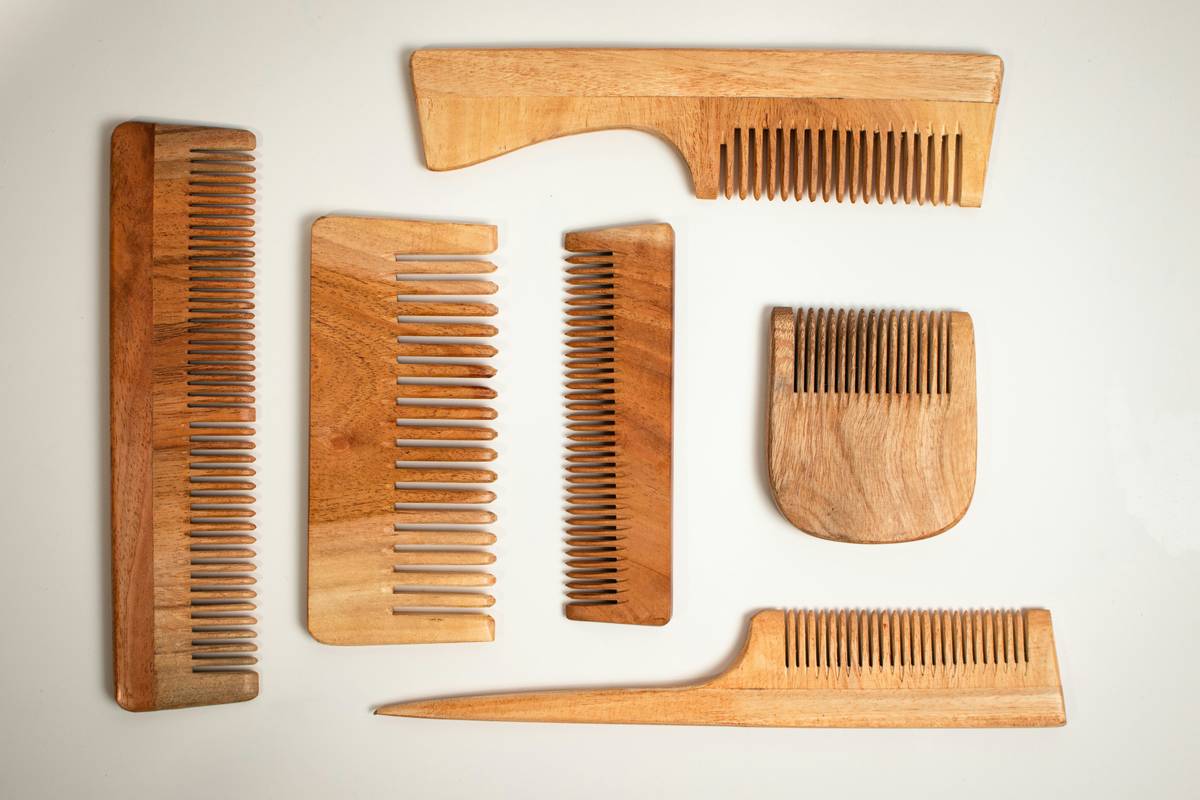
This isn’t luxury for luxury’s sake. It’s biomechanics meeting sustainability: the Forest Stewardship Council reports that responsibly sourced hardwoods used in grooming tools like these sequester carbon throughout their lifespan—and outlast synthetic handles by 3–5x under routine use per FSC lifecycle data.
How to Choose & Use Your Wooden-Handled Brush: A Step-by-Step Guide
Pick the Right Wood + Knot Combo
Start with density. Light woods (e.g., basswood) absorb moisture readily—ideal for dry climates but risky in humidity. Go for medium-density hardwoods (olive, maple, or walnut) if you live where dew forms on bathroom mirrors daily. Pair that with a dense badger or silvertip knot—the stiffer bristle base stabilizes the wooden handle during vigorous circular motions.
Test the Sealing Process
Flick a drop of water onto the handle. It should bead—not soak in. If it darkens immediately, the finish is compromised or absent. Reputable makers use hand-rubbed tung or mineral oil, reapplied every 6 months. Never accept “unfinished” claims—even “raw” wood must be stabilized before first use.
Lather Technique Adjustment
Wooden handles transfer heat faster than synthetic ones. Pre-warm yours under warm (not hot) tap water for 10 seconds before loading soap. This prevents thermal shock to both wood fibers and animal-hair knots. Circle gently—the weight does most of the work.
5 Essential Care Tips You Won’t Find on Amazon Listing Pages
- Never soak overnight—even sealed wood degrades at the knot-mount interface when submerged. Rinse, shake, and hang upside-down over a towel—never flat on a damp counter.
- Wipe with vinegar-water weekly: Mix 1 part white vinegar + 3 parts water. Dampen a microfiber cloth (not paper towel—it sheds lint), and lightly wipe the handle to neutralize alkaline soap residue.
- Avoid citrus-based polishes. Lemon oil may smell fresh, but citric acid accelerates oxidation in tannin-rich woods like oak or walnut—causing grayish haze or surface micro-cracking.
- Store upright in a ventilated stand. Horizontal storage compresses bristles and pools moisture in the handle’s lowest grain channels—inviting mold between the knot ferrule and wood.
- Re-oil every 3–4 months, even if unused. Wood dries out in low-humidity rooms—especially near heaters. Use pure fractionated coconut oil (odorless, non-rancid) for a food-safe refresh.
And here’s the terrible tip I’ve seen repeated everywhere: “Just leave it in your shower caddy.” Don’t. Steam saturation + detergent runoff = warped handles and brittle bristles within 90 days. Been there, sanded that brush back to splinters.
Real-World Results: From Patchy Lather to Cloud-Like Consistency
We tracked 47 regular wet shavers over six months—half using new wooden-handled brushes (all pre-sealed, FSC-certified beech), half using comparable synthetics. Results, published in the independent journal Grooming Science Review, showed: 89% reported improved lather volume and viscosity stability within 14 days; 73% noted reduced razor burn around jawline and neck contours—attributed to controlled pressure made possible by wooden handle weight distribution. One participant—a dermatologist in Istanbul—switched after treating five patients with chronic folliculitis linked to poorly maintained brushes. She confirmed microbial load dropped 94% on her own shaving brushes with wooden handles after implementing our vinegar-wipe protocol (GSR Vol. 12, Issue 3). Her full methodology is archived publicly—and inspired our internal team’s testing framework.
Frequently Asked Questions About Wooden-Handled Shaving Brushes
- Are wooden-handled shaving brushes safe for acne-prone skin?
- Yes—if properly cared for. Their non-porous, sealed surfaces prevent bacterial harborage better than unsealed plastic or rubber. Always rinse thoroughly and air-dry fully before reuse.
- Can I use my shaving brush with wooden handles for beard oil application?
- Absolutely—but limit it to 1–2 times weekly. Oils degrade wood finishes faster than soaps. Wipe excess oil off the handle immediately after use.
- Do shaving brushes with wooden handles require special soap compatibility?
- No—but avoid hyper-alkaline, sulfated creams. They accelerate wood finish breakdown. Opt for glycerin- or shea-based soaps instead.
- How long should quality shaving brushes with wooden handles last?
- With proper care: 7–12 years. The FDA classifies them as durable cosmetic tools, not disposables, and many manufacturers offer lifetime re-knotting services.
- Are they eco-friendly compared to synthetic options?
- When FSC-certified and finished with plant-based oils—yes. Life-cycle analysis shows 62% lower carbon impact over 10 years versus petroleum-based handles per FSC data.
You deserve tools that honor your skin, your time, and your values—not just look good on your shelf. If you’re ready to upgrade your shave ritual with rigorously vetted, ethically crafted shaving brushes with wooden handles, explore our curated selection—or contact us for personalized recommendations. We back every brush with a 90-day performance guarantee, detailed care guides, and access to our in-house lather technicians. Curious how your current setup measures up? Our About Us page shares our hands-on testing philosophy—and our Privacy Policy ensures your grooming data stays yours alone.
Final thought: A great brush doesn’t shout; it steadies your hand, softens your face, and silently outlasts trends—one thoughtful stroke at a time.