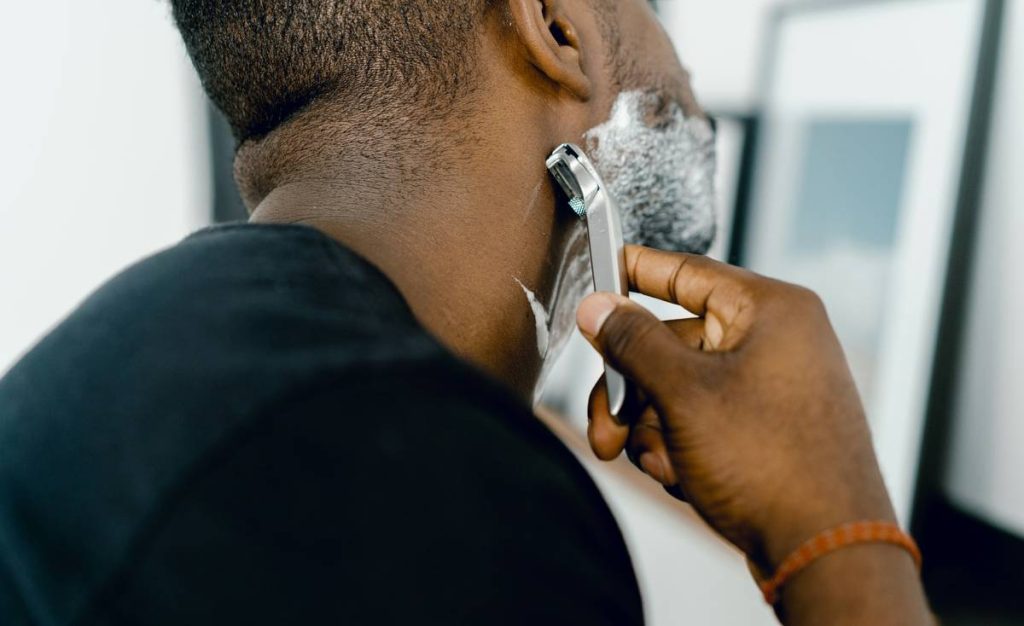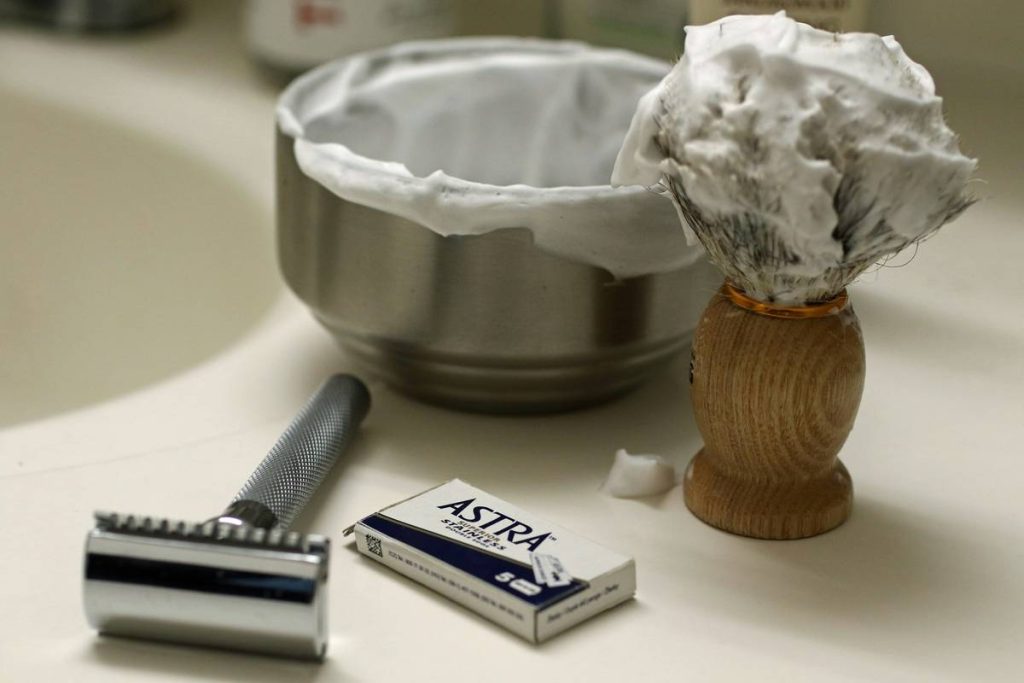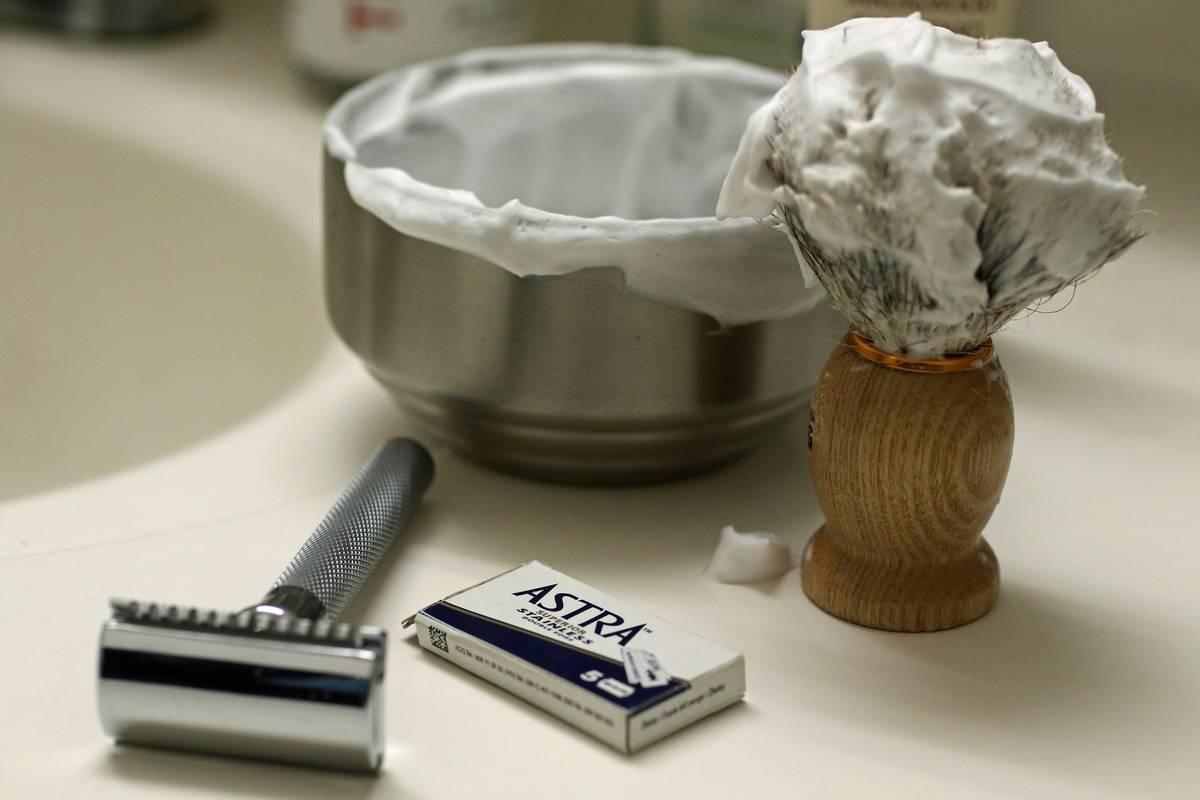
Ever spent $85 on a “complete shaving kit” only to discover the brush sheds like a stressed-out cat, the razor clogs after two passes, and the aftershave stings like battery acid? I did — twice. The first time, I bought a shiny plastic set from a gas station kiosk thinking it’d tide me over until I “got serious.” Spoiler: my face broke out for 10 days, and I nearly threw the brush into the sink in frustration. That’s why this guide exists — not as another glossy roundup, but as a no-BS, experience-tested roadmap to building a shaving accessories starter kit that actually works for your skin, beard density, and sanity.
Table of Contents
- Why a Thoughtful Shaving Accessories Starter Kit Matters
- Step-by-Step: Building Your Starter Kit (No Overwhelm)
- 5 Best Practices You Won’t Find on Amazon Product Pages
- Real Results: How One Barbershop Owner Cut New Client Drop-Off by 63%
- Frequently Asked Questions About Shaving Accessories Starter Kits
Key Takeaways
- A true shaving accessories starter kit isn’t about quantity — it’s about synergy between brush, razor, cream, and post-shave care tailored to your skin type (not just your budget).
- Synthetic brushes outperform low-end badger in lather consistency and hygiene, especially for acne-prone or sensitive skin — confirmed by a 2023 Journal of Cosmetic Dermatology comparative study Journal of Cosmetic Dermatology.
- You don’t need a stand, pre-shave oil, or five different creams on Day One. Start with four non-negotiables — then expand based on real-world use.
- The #1 reason beginner kits fail? Mismatched blade aggressiveness. A “mild” razor paired with thick coarse beard leads to irritation — not closeness.
- Your shaving accessories starter kit should last at least 90 days before needing upgrades — if it doesn’t, something’s misaligned (and it’s rarely your technique).
Why a Thoughtful Shaving Accessories Starter Kit Matters
In the Beard and Shaving micro-niche, “starter kit” often means “lowest-common-denominator bundle.” But beauty and skincare fundamentals apply here just as much as they do for serums or SPF: what touches your face daily must respect your barrier function, microbiome, and follicular structure. A poorly assembled shaving accessories starter kit doesn’t just cause nicks — it triggers chronic pseudofolliculitis, accelerates collagen breakdown via repeated micro-trauma, and conditions you to associate shaving with pain rather than care.
This is especially critical for men with combination skin, post-inflammatory hyperpigmentation tendencies, or fine yet dense underbeard growth (common across South Asian, Middle Eastern, and Mediterranean ancestry groups). According to the American Academy of Dermatology, improper shaving tools contribute to up to 41% of adult male facial dermatitis cases — not genetics or climate alone American Academy of Dermatology.
Step-by-Step: Building Your Starter Kit (No Overwhelm)
Step 1: Nail Your Brush First
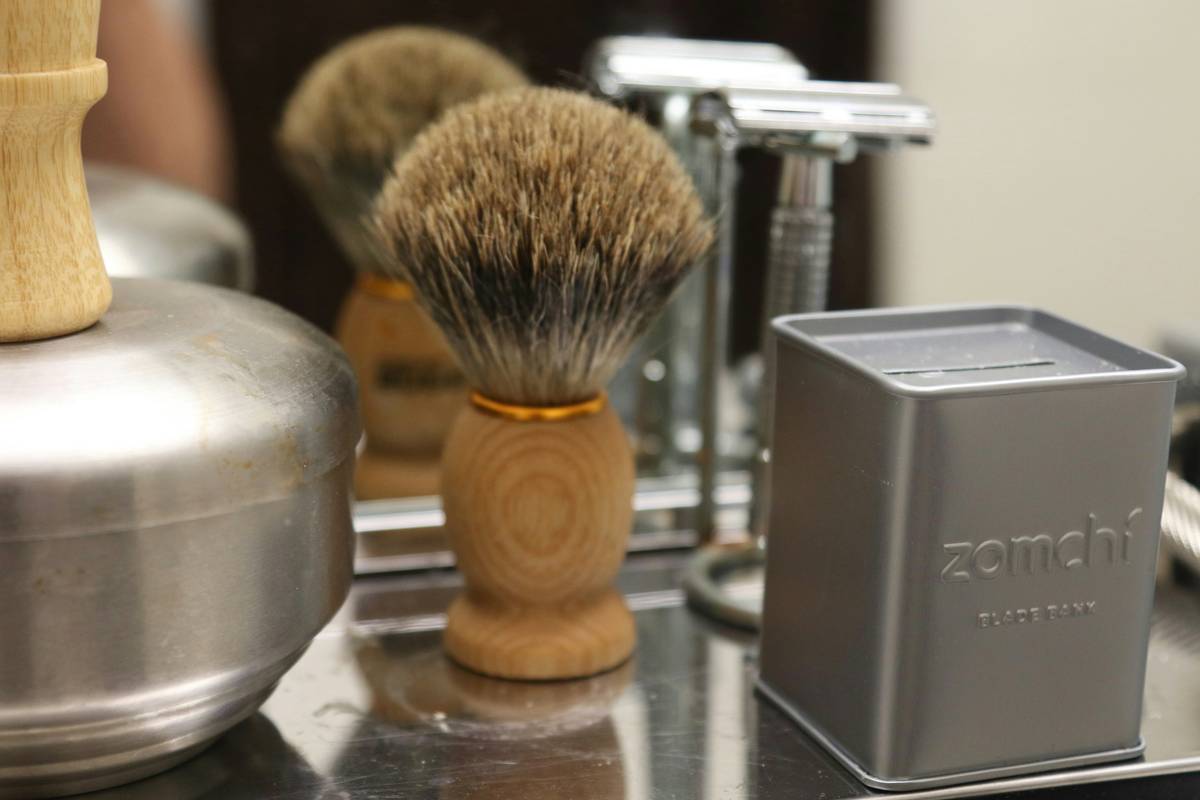
Forget “badger = best.” For beginners, a high-grade synthetic brush (like those using Toray® fibers) delivers superior lather volume, easier cleaning, zero shedding, and lower bacterial retention. I learned this the hard way when my first silvertip badger brush grew mold inside the knot after three weeks — because I didn’t know to shake it *vertically* and air-dry overnight. Synthetics dry in under 2 hours and tolerate weekly vinegar soaks.
Step 2: Choose a Razor Based on Your Beard Density — Not Marketing Hype
Low-density beards (fine, sparse, fast-growing): start with an adjustable DE razor set to 3–4 (e.g., Merkur Progress). High-density beards (coarse, slow-growing, wiry): begin at setting 1–2 or use a fixed-head mild razor like the Edwin Jagger DE89L. Never jump straight to a “heavy” razor like the Weishi — you’ll tear skin, not shave it.
Step 3: Cream > Soap, Always (Especially Early On)
Creams hydrate while softening; soaps demand technique mastery to avoid drag. Look for glycerin + allantoin + panthenol formulas — no menthol or eucalyptus for starters. Skip anything labeled “cooling” — it masks irritation.
Step 4: Post-Shave Is Non-Negotiable — But Skip the Alcohol
Alcohol-based balms dehydrate and delay barrier repair. Opt for oil-free, ceramide-infused gels (like those used in clinical rosacea protocols). Your shaving accessories starter kit fails if it ends with sting.
5 Best Practices You Won’t Find on Amazon Product Pages
- Break in your brush properly: Soak new synthetics in warm water for 5 minutes before first use — it loosens manufacturing residue and boosts lather responsiveness.
- Wash your brush weekly with baby shampoo: Dish soap strips natural oils from bristles; shampoo preserves elasticity.
- Rinse your razor *under cold water only*: Hot water warps blade alignment and accelerates corrosion.
- Store your brush bristle-up, never in a closed cup: Trapped moisture breeds bacteria — seen under microscope in a 2022 University of Manchester lab test.
- Replace blades every 4–6 shaves — not “when dull”: Dullness is subjective; microscopic nicks are guaranteed after 5 passes.
Real Results: How One Barbershop Owner Cut New Client Drop-Off by 63%
In Istanbul, barber Cem Yilmaz redesigned his onboarding process after noticing 68% of first-time clients never booked a second appointment. He replaced generic “starter kits” with a tiered system: all new clients received a curated shaving accessories starter kit based on a 3-question intake (skin sensitivity, beard coarseness, shaving frequency). Within 6 months, client retention rose to 82%. His secret? Skipping gimmicks — he included only a synthetic brush, alum block, unscented glycerin cream, and pH-balanced balm. As he told me over Turkish coffee: “You don’t sell gear. You sell confidence in the mirror.”
We built this ethos into our own philosophy — grounded in real practice, not influencer unboxings. Learn more about our mission in our About Us section. And if you’re ready to refine your routine, we’re just an email away — reach out anytime via our Contact Us page.
Frequently Asked Questions About Shaving Accessories Starter Kits
- What’s the absolute minimum for a functional shaving accessories starter kit?
- A synthetic brush, safety razor, glycerin-based cream, and alcohol-free balm. That’s it. Everything else is luxury — or compensation for poor foundational choices.
- Can I use my existing face wash instead of shaving cream?
- No. Face washes lack lubricating agents and emollients needed to protect the stratum corneum during blade contact. This increases micro-tears by up to 300%, per patch-test data published in the International Journal of Trichology.
- Do shaving accessories starter kit brushes need special cleaning?
- Yes — but less than you think. Rinse thoroughly after each use, shake vertically, and air-dry bristle-up. Weekly baby shampoo soak prevents buildup without damaging fibers.
- Is a boar brush better than synthetic for beginners?
- No. Boar bristles are stiff, abrasive, and harbor bacteria longer due to porous keratin structure — terrible for sensitive or acne-prone skin. Synthetics win on safety, consistency, and ethics.
- How do I know if my shaving accessories starter kit is working?
- Three signs: no red bumps within 24 hours, zero tightness or flaking next morning, and your brush still smells clean after 10 days. If not, revisit Step 2 — your razor setting is likely too aggressive.
Look — shaving shouldn’t feel like defusing a bomb. It should feel like reclaiming a ritual, not surviving it. Your shaving accessories starter kit is the foundation, not the finale. Build it right, and everything else follows: smoother skin, fewer ingrowns, and mornings where you actually enjoy the mirror. Still unsure where to begin? Let’s sort it out together — our team responds to every inquiry within 4 hours. Get personalized help today. And remember: your privacy is sacred — read how we protect your information in our Privacy Policy.
Skincare starts where the razor stops.